


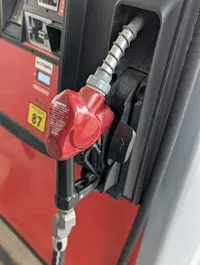
(NAFB) For the duration of the U.S.-Israel war with Iran, oil prices have been on a rollercoaster ride, And that volatility continues as negotiations resume in Pakistan. Patrick DeHaan, the senior petroleum analyst with Gasbuddy.com, said oil prices decreased last week, following news of the ceasefire. However, prices turned higher over the weekend as that ceasefire appeared to be failing.
While prices moved higher to start the week, DeHaan noted the volatility maybe dying down.
“Oil prices are only up six percent instead of reacting in a more significant way. And that may be good news for motorists that are kind of sick of the roller-coaster ride of fluctuating oil prices.”
When it comes to the future of oil prices and fuel prices, DeHaan said it’s really difficult to make predictions with any kind of certainty. But, he noted, even if an agreement between the U.S. and Iran is reached by the end of April, it would take a substantial amount of time to see improvements in fuel and oil prices…tape
“It would likely take several months of full normalization to really start to see improvement. So quite a bit of time. I would estimate that for every day we continue to see the situation take hold, that it could be a week to fully recover. And so, at this point, 50 days into this situation, we may be at a point where it may take some 50 weeks to fully recover after the Strait [of Hormuz] has been reopened.”
Again, that’s Patrick DeHaan of Gasbuddy.com.