(NAFB News Service) Fall migration is underway. USDA is urging livestock and poultry producers to stay vigilant against Highly Pathogenic Avian Influenza. New detections continue to surface in both poultry and dairy operations. Officials say monitoring, education, and biosecurity remain key tools in limiting the virus’s spread. USDA Undersecretary Dudley Hoskins says the seasonal movement of wild birds always raises concerns.
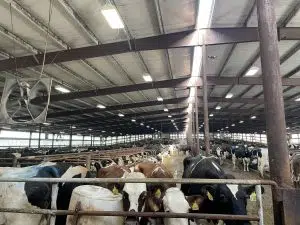
In addition to monitoring poultry cases, USDA continues to rely on a nationwide milk testing program to track the virus in dairy cattle. New dairy cattle infections have been confirmed in Washington, Kansas, and Texas over the last month. To help identify and contain those cases, Hoskins says the milk testing program has become an effective tool.
That testing system also helps reassure consumers about the safety of dairy products.
For the most part, dairy cattle recover from infection. Hoskins says poultry producers often face much steeper losses from HPAI. It requires infected flocks to be depopulated and facilities cleaned, disinfected, and audited before birds can be safely returned to production.
And while much of the attention has focused on poultry and dairy cattle, Hoskins says the virus can impact many different kinds of animals.
USDA continues emphasizing strong day-to-day biosecurity practices on every operation, regardless of size, species, or location.
For farmers looking to strengthen their defenses against HPAI, Hoskins says USDA offers a range of resources, including biosecurity assessments and cost-share programs to help address vulnerabilities on the farm. He encourages producers to visit USDA’s HPAI website, review the tools, and contact USDA if they’d like help evaluating their farm’s biosecurity.