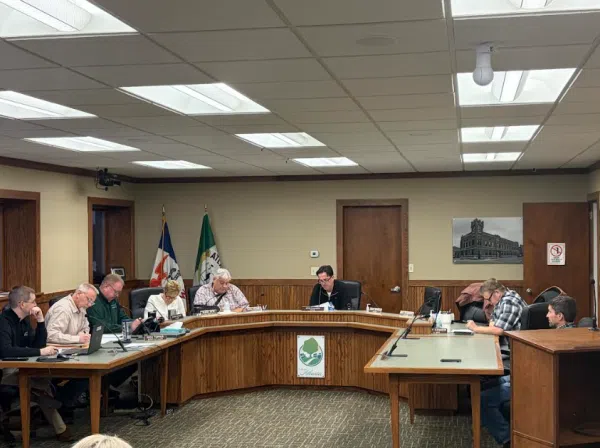
(Atlantic) Atlantic City Administrator John Lund presented the city council with some bleak news that may be coming down the road for the city and local governments, regarding the Iowa House and Governor Reynolds proposed comprehensive property tax reform bill.
Governor Kim Reynolds proposed a comprehensive property tax reform bill that is projected to save Iowans $3 billion over six years. Over the past two years, Iowans property taxes have gone up by an average of more than 10 percent, and are outpacing inflation, salaries, and the state’s population growth. Governor Reynolds is proposing to cap local government revenue growth at 2% plus new construction for all taxing authorities, except debt service and school funding.
Local officials are concerned that the proposal would limit how much cities and counties can increase property tax revenue to 2% per year, even as costs continue to rise. Local leaders say this could lead to cuts in public safety and essential services. It would also make it harder to pass bonds for infrastructure projects by requiring 60% voter approval. While the plan promotes efficiency and shared services, Lund admitted communities may still struggle to maintain current service levels.
Lund says the House proposal would include that debt issued after July 1, 2026, would be subject to a referendum. SWIPCO and its sister organizations will be responsible for managing local government consolidation.
Lund admits Atlantic is better off than most cities. The 2026 series credit rating noted that Atlantic’s stable financial profile is supported by sound management practices, which they expect to support balanced operating results going forward. Lund says his strategy moving forward is to maintain financial practices as long as revenue allows, to maintain annual utility surpluses until the option is closed, and to stay austere, hoping enough other governments fall into chaos, forcing the legislation to act.
Last fall, the governor hosted roundtable meetings with local officials and community leaders across the state to discuss ways to make local government more efficient. Some local governments have formalized agreements to share the cost and operations of specific public services such as law enforcement, public health, or waste management.
To encourage more communities to do the same, Gov. Reynolds is standing up a $10 million grant fund to assist local governments that choose to consolidate positions and pursue shared service agreements with neighboring cities and counties.
The bill also proposes conducting property assessments every three years instead of every two to protect families from sharp valuation increases and create greater predictability and less volatility in the market. The governor’s plan also shifts the burden of appealing large property tax increases from homeowners to assessors who will have to justify them.
The bill also reforms Tax Increment Financing (TIF) districts to improve transparency and limit overuse, requiring that TIF projects serve public purposes for 20 years.
Additionally, Gov. Reynolds’ bill creates a property tax freeze for Iowans ages 65 and older with homes valued at $350,000 or less, improving affordability for seniors living on fixed incomes.